For players in the bustling international iGaming arena, the adrenaline-fueled world of crash games like Spribe’s Aviator and Smartsoft Gaming’s JetX offers a unique thrill. The core mechanic is deceptively simple: watch a multiplier climb and cash out before it crashes. Yet, beneath this straightforward action lies a complex mathematical landscape defined by volatility and Return to Player (RTP) percentages. Understanding these concepts isn’t just academic; it’s the bedrock of effective bankroll management. This guide delves into the mechanics of volatility in high-multiplier crash games, explaining how RTP functions within them, and provides actionable strategies for managing your funds to enhance your session longevity and enjoyment.
The Engine Room: RTP and Volatility in Crash Games
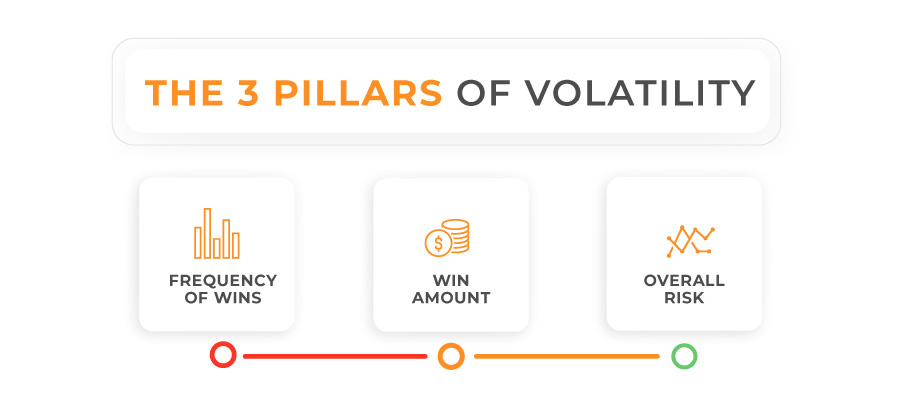
Before placing a bet, savvy international players examine a game’s RTP. This percentage represents the theoretical amount of money a game will pay back to players over an extended period. For instance, a game with a 97% RTP will, on average, return 97 units for every 100 wagered. It’s crucial to understand that this is a long-term statistical average, not a guarantee for any single session. Both Aviator and JetX operate with configurable RTP settings, often around 97%, which is competitive within the crash genre. However, RTP tells only half the story. The other, more visceral half is volatility, often referred to as variance. This measures the frequency and size of payouts. High-volatility games, which are the hallmark of the crash genre, are characterized by less frequent but potentially much larger wins. This perfectly describes the experience in JetX, where industry coverage frequently highlights the high-volatility gameplay and the potential for multipliers to soar up to 1000x. The game can deliver long sequences of low multipliers, building tension before a sudden, sky-high climb creates a dramatic, high-payout opportunity.
How High Volatility Shapes Your Session
High volatility creates a distinct rhythm. You might experience a series of rapid crashes at low multipliers, which can swiftly deplete a bankroll if bets are not sized appropriately. Conversely, hitting a high multiplier like a 500x or 750x win can be transformative for your balance. This feast-or-famine dynamic is intentional and central to the excitement. It means that short-term results can vary wildly from the theoretical RTP. A player might experience a session where the return is far below 97%, while another might land a colossal win that pushes their personal RTP far above that mark for that period. Recognizing this pattern is the first step in developing a resilient approach.
Building Your Financial Runway: Bankroll Fundamentals
Your bankroll is your most important tool. It is the total amount of money you have allocated solely for playing crash games, and it should be separate from your essential living funds. The primary rule is to never gamble with money you cannot afford to lose. Once your bankroll is established, the next step is to define session limits. Determine in advance what portion of your total bankroll you will risk in a single playing session. A common and conservative approach is to use no more than 5% to 10% of your total bankroll per session. This insulation prevents a single unfortunate streak from wiping out your entire gambling fund. Furthermore, set a clear win goal and a loss limit for each session. For example, you might decide to stop playing if you double your session bankroll or if you lose 50% of it. The discipline to walk away, whether in profit or to preserve funds, is a critical skill that separates recreational play from problematic gambling.
The Critical Role of Bet Sizing
Bet sizing is your direct lever for managing volatility. In a high-volatility environment like JetX or Aviator, placing large bets relative to your session bankroll is extremely risky. A short streak of low crashes can eliminate your funds before you ever see a high multiplier. A more sustainable strategy is to use a small, fixed bet size. For instance, if your session bankroll is 100 units, betting 1 or 2 units per round gives you 50 to 100 attempts to catch a favorable multiplier. This approach allows you to withstand the inevitable dry spells that high volatility produces. It transforms your experience from a desperate hope for an immediate big win into a patient, strategic engagement with the game’s mechanics, dramatically increasing your chances of being present when the multiplier does make a significant climb.
Strategic Cash-Outs in a Volatile Sky
Knowing when to cash out is the art of crash games. Two primary philosophies exist: the low-and-steady approach and the high-risk pursuit. The low-and-steady method involves cashing out at conservative multipliers, such as 1.5x or 2x. By doing this consistently, you can slowly build your balance, mitigating the impact of volatility. This strategy accepts smaller, more frequent wins and is less psychologically taxing. The high-risk approach involves setting ambitious cash-out targets, perhaps at 100x, 500x, or even higher, and waiting patiently. This strategy requires significant discipline and a bankroll robust enough to survive potentially long sequences of lost bets. Many seasoned players employ a hybrid model. They might use a small portion of their bet to target a low, steady cash-out while letting a separate “bonus” bet ride for a much higher multiplier. This technique, sometimes called bet splitting, allows for a balance between consistent returns and a shot at a life-changing win.
Adapting to the Game’s Rhythm
While crash games are fundamentally random, some players advocate for adaptive strategies based on observed patterns. It is vital to remember that each round is an independent event; a game cannot be “due” for a high multiplier. However, you can adapt your tactics based on your bankroll’s state. If you have secured a healthy profit during your session, you might decide to lower your bet size and play more conservatively to lock in gains. Conversely, if you are working through a loss limit, maintaining a small, consistent bet size is wiser than attempting to “chase” losses with increasingly large wagers, a behavior that volatility will ruthlessly punish.
Psychological Fortitude in High-Stakes Environments
The emotional rollercoaster of high-volatility games is a challenge in itself. The tension of watching a multiplier climb, coupled with the frustration of a crash just before you cash out, can lead to impulsive decisions. Developing a pre-commitment strategy is essential. Decide your bet size, your cash-out points, and your session limits before you click “Bet.” Write them down if necessary. Once the game is in motion, stick to your plan. Avoid the temptation to let a bet ride just a little longer after you’ve already decided to cash out, or to increase your bet after a loss in an attempt to recover immediately. Treat your playing session as a business operation with a strict budget and protocol. This mental framework helps separate emotion from action, which is your best defense against the volatility designed to thrill and test you.
Embracing the Long-Term Perspective
Success in crash games, measured as sustained entertainment and occasional profit, is a marathon, not a sprint. Frame your expectations around the long-term averages implied by the RTP. Understand that you will have losing sessions, sometimes many in a row. Your strategy should not be aimed at winning every time, but at ensuring you have the financial and mental stamina to play another day. By managing your bankroll to survive volatility, you position yourself to be active when variance swings in your favor. This patient, disciplined approach is what allows players like Maria from Brazil or Kenji from Japan to enjoy titles like Aviator and JetX over months and years, sharing stories of thrilling 800x wins that were made possible by surviving a hundred 1.1x crashes.
As you navigate the exciting peaks and valleys of crash games, always prioritize safe play. The strategies outlined here are tools for enhancing your control and enjoyment, but they do not alter the fundamental random nature of the games. Gambling should always be a form of entertainment, not a source of income or a solution to financial problems. It is imperative to set strict deposit limits, use reality checks offered by platforms like BC.Game or Stake, and take regular breaks. If you ever feel that gambling is ceasing to be fun or is causing you distress, seek help immediately from organizations such as Gamblers Anonymous or BeGambleAware. Play responsibly to ensure your experience remains a thrilling pastime.
